Property Clearing Services: Readying Your Land for New Potential
Land clearing services are vital for transforming overgrown or cluttered properties into viable spaces for development. These experts carefully eliminate barriers, guaranteeing a solid groundwork for upcoming projects. With a thorough knowledge of site evaluations and environmental guidelines, they improve both safety and usability. Yet, identifying the ideal service can be complicated, and comprehending the process is fundamental. What aspects should property holders examine before beginning this undertaking?
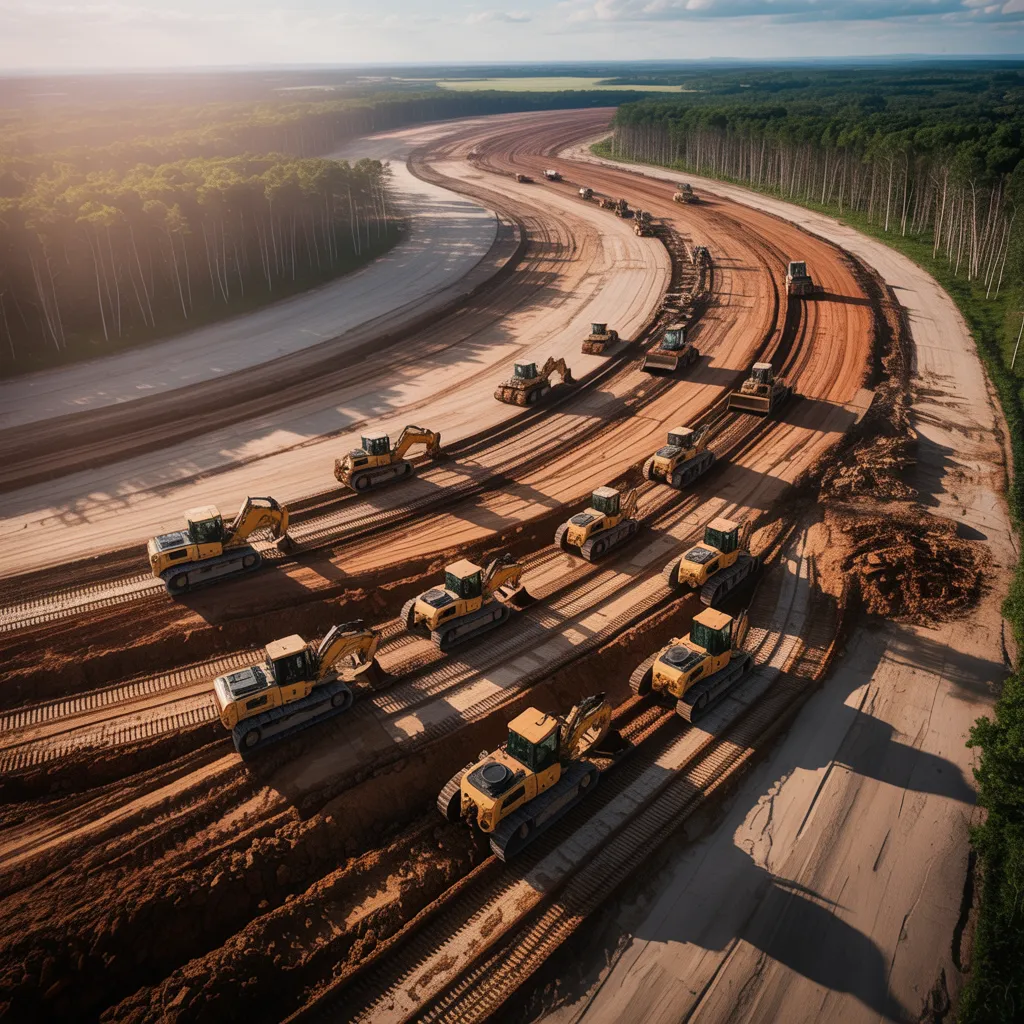
How Land Clearing Shapes Your Property Development Journey
Land clearing initiates the process of transforming a property development journey by readying the site for upcoming construction. This fundamental first stage involves removing obstacles such as vegetation, shrubs, and waste material, providing a fresh foundation for builders and architects. By establishing a clear and level surface, land clearing boosts overall accessibility, facilitating the smooth flow of machinery and materials.
Additionally, it establishes the groundwork for thorough planning and development, as developers can clearly see the orientation and layout of developments more accurately. The methodology also assists with identifying likely ecological concerns, such as soil quality or drainage issues, enabling proactive solutions.
Additionally, land clearing can boost safety by minimizing dangers associated linked resource with overgrown vegetation and unstable terrain. Ultimately, this impactful process not only accelerates construction but also cultivates a highly structured and purposeful approach to real estate development, opening the door for new opportunities.
Key Steps in the Land Clearing Process
Clearing a site involves several key steps that guarantee a smooth and efficient process. Initially, a thorough site assessment is conducted to detect barriers including rocks, trees, and plant growth. This evaluation guides the preparation stage, where strategies for removal are developed, considering environmental regulations and potential impacts.
Next, property owners are often required to secure the appropriate permits, guaranteeing conformity with regional legal requirements. After receiving approval to move forward, large machinery, such as bulldozers and excavators, is deployed to eliminate vegetation and unwanted debris. During this phase, close attention is paid to limiting soil disturbance and preserving the integrity of adjacent areas.
Upon completing the elimination, the property goes through grading to establish a flat terrain, conditioning it for future construction or landscaping. To conclude, unwanted material is disposed of in an eco-friendly manner, often through composting or recycling, leaving the property set for fresh beginnings. Each phase is necessary to achieve a seamless land clearing operation.
How to Choose the Right Land Clearing Company for Your Needs
Choosing the most suitable land clearing contractor demands careful consideration to ensure the project satisfies both expectations and guidelines. Initially, potential prospects should examine the contractor's expertise and knowledge in executing similar undertakings. A well-established company with a demonstrated history of success is frequently more reliable.
Furthermore, it is important to ensure that the service provider maintains the proper licenses and insurance, securing both the property owner and the property during the clearing process. Moreover, reading client reviews and testimonials can provide important perspective into the service provider's reliability and overall performance.
Cost estimates are also significant, as they should be transparent and detailed, covering all possible costs. Customers should request several bids to confirm they receive fair pricing. Finally, effective communication is essential; a reliable firm will handle inquiries and issues in a timely manner, fostering a collaborative working relationship. These factors collectively aid in selecting the best land clearing company to meet specific needs.
Environmentally Responsible Land Clearing Practices
Embracing sustainable practices in land clearing is vital for minimizing environmental impact and fostering environmental harmony. Companies committed to sustainability implement methods that minimize soil degradation, preserve native vegetation, and conserve regional wildlife areas. Approaches including precision clearing permit the extraction of particular trees and bushes, reducing disruption to the ecosystem.
Furthermore, using contemporary machines designed for low-impact operations aids in reducing disruption to the soil and harm to surrounding flora. After clearing, practices like reforestation and planting cover crops can restore the land, boosting biodiversity and the overall health of the soil.
Moreover, integrating sustainable recycling methods, such as turning cleared vegetation into mulch or biofuel, promotes a closed-loop economy. By emphasizing these eco-friendly methods, land clearing companies can ensure that future development is consistent with responsible environmental stewardship, promoting a healthier natural landscape for years to come.
How to Get Your Land Ready for Future Projects
Prior to beginning a construction or landscaping project, adequate land preparation is crucial to ensure a successful result. Initially, one must assess the land's topography, soil quality, and drainage patterns. This evaluation allows for informed decisions regarding fitting plant life, structures, or further developments. Eliminating debris, stones, and unwanted plant growth from the site is critical, as it creates an unobstructed base for subsequent efforts.
Following this, soil analysis should be undertaken to identify nutrient levels and pH balance, enabling necessary amendments to promote healthy plant growth. In addition, outlining the scope and boundaries of the project helps streamline the process and minimizes potential disputes later on.
Ultimately, developing a comprehensive outline that describes the project's scope, timeline, and budget is essential. Such a systematic strategy not only sets clear expectations but also serves as a roadmap for all involved stakeholders, guaranteeing steady advancement toward reaching the intended objectives.
Why Should You Hire Professionals for Your Land Clearing Needs?
Employing skilled specialists for land clearing secures access to specialized proficiency in equipment operation and maintenance. Their understanding of compliance standards and safety protocols minimizes hazards connected to the clearing operation. In the end, this expert methodology boosts productivity and fosters a more secure working atmosphere.
Skill In Equipment Use
Maneuvering the complexities of land clearing requires expert knowledge and specialized tools, which is where professional contractors stand out. Professionals possess in-depth experience in using specialized equipment, such as stump grinders, excavators, and bulldozers. This proficiency ensures that jobs are finished effectively and thoroughly, reducing impact on the surrounding landscape. Moreover, skilled contractors are knowledgeable about the latest techniques, empowering them to address difficult landscapes and heavy vegetation with confidence. Their expertise not only boosts efficiency but also minimizes the chance of expensive errors that can stem from misuse of specialized tools. By hiring experts, landowners can rest assured that their property will be properly and safely cleared, preparing the groundwork for future development or improvements.
Protection And Compliance Standards
A complete knowledge of safety regulations and standards is vital in land clearing projects, as it secures the safety of both workers and the environment. Professionals in land clearing are trained to adhere to industry best practices and local regulations, minimizing risks associated with hazardous materials, heavy machinery, and environmental degradation. They enforce necessary safety protocols, including the application of PPE and personal protective gear and carrying out risk assessments prior to beginning work. Following regulatory guidelines not only minimizes legal risks but also fosters responsible land stewardship. Engaging professionals guarantees that all operations are carried out effectively and safely, permitting property owners to direct their attention to their projects without the challenge of navigating complicated regulatory and safety requirements.
Commonly Asked Questions
What Permits Are Necessary for Land Clearing Projects?
Required permits for land clearing projects commonly consist of grading permits, environmental permits, and potentially local zoning approvals. Rules and regulations differ by location, so reaching out to local authorities confirms compliance with all relevant legal requirements before initiating the project.
What Is the Typical Duration of the Land Clearing Process?
The land clearing process usually spans anywhere from one to several weeks, influenced by factors such as the size of the area, vegetation density, and local weather conditions. Each individual project is distinct, influencing the overall timeline considerably.
Can Land Clearing Improve Property Value?
Absolutely, land clearing can enhance real estate value. By clearing obstructions and boosting visual appeal, it makes the property more desirable to interested buyers, thereby improving marketability and general value of the land in the housing market.
What Equipment Is Employed in Land Clearing?
Land clearing commonly utilizes machinery such as chainsaws, bulldozers, excavators, and chippers. This equipment efficiently clears brush, trees, and debris, guaranteeing the land is suitable for future development or agricultural activities.
Do the Risks of DIY Land Clearing Outweigh the Benefits?
Indeed, there are risks associated with DIY land clearing such as harm from operating heavy machinery, damage to surrounding property, and harm to the surrounding environment. Furthermore, using improper techniques may result in legal complications regarding permits and regulations, complicating the process further.