Why Excavation Services Are Critical for Successful Land Development
Excavation services serve a critical function in property development. By removing soil and rock, they create a stable foundation, guaranteeing structural stability and adequate drainage. The quality of these services plays a decisive role in determining project success. Varying soil compositions introduce distinct obstacles that may hinder the excavation process. Grasping these considerations is vital for developers. What specific elements should be considered to optimize excavation outcomes and safeguard future construction?
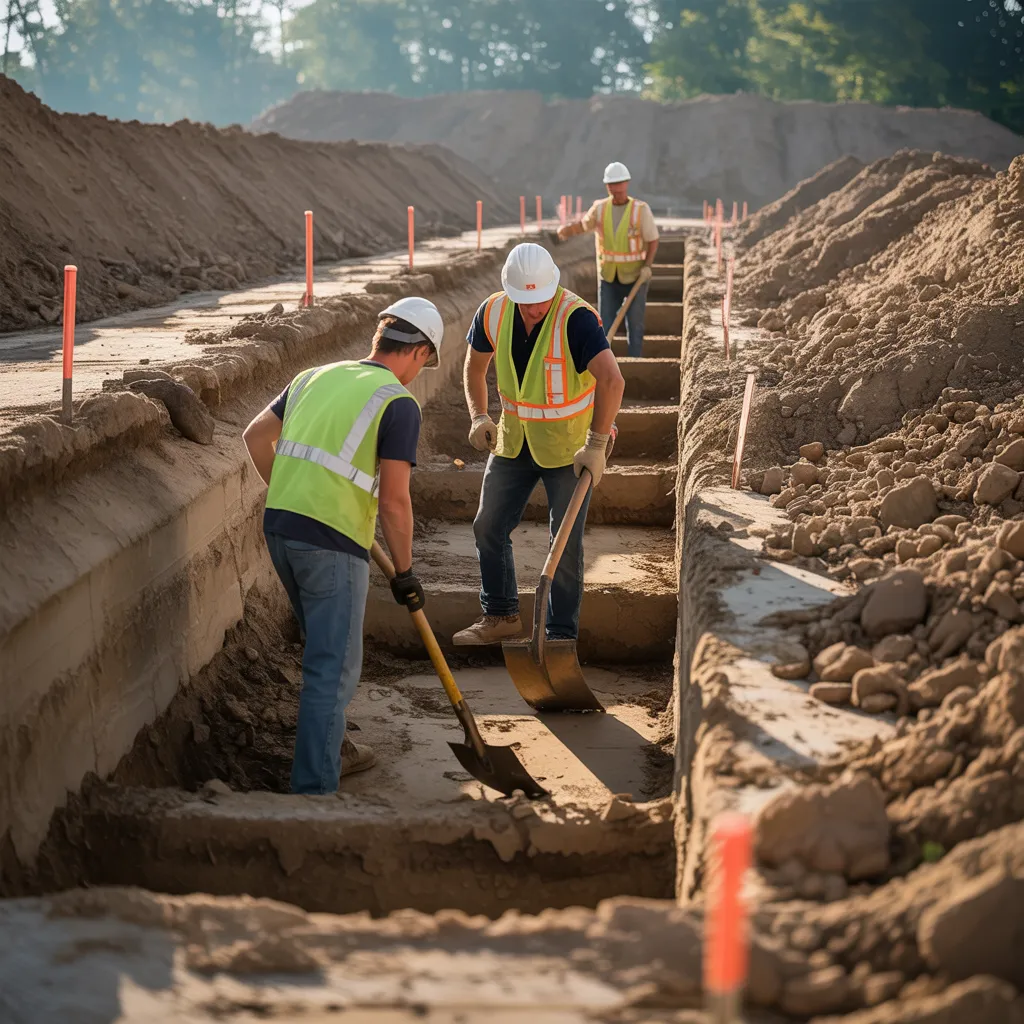
The Importance of Excavation in Land Development
Excavation acts as a critical component in site development, preparing the terrain for upcoming construction projects. This procedure entails the elimination of soil and rock to form an adequate base for structures, roadways, and various infrastructure. With thorough land assessment, excavation professionals can establish the required depth and quantity of material for removal, making certain that the area is properly set up for its planned application.
Furthermore, excavation is essential in drainage management, as it allows for the correct grading of land to avoid water buildup. This not only safeguards structures from possible flood damage but also improves the overall usability of the site. Furthermore, excavation enables the installation of essential utilities, such as gas, water, and electricity, by establishing trenches and access points. Overall, excavation is indispensable in building a reliable foundation for successful land development, ensuring that subsequent construction phases proceed smoothly and efficiently.
How Excavation Influences Site Preparation
Excavation plays a critical role in the site preparation process by enabling comprehensive soil evaluation, which helps determine the appropriateness of the terrain for construction. Gaining insight into the soil makeup allows for informed decisions regarding the stability and foundation needs. Additionally, effective excavation supports the planning of drainage infrastructure, ensuring proper water management and mitigating the risk of future complications.
Soil Assessment Importance
Although often overlooked, soil assessment holds a vital place in site preparation, as it significantly affects excavation strategies and the success of the entire project. Understanding soil structure, stability, and moisture content helps developers determine the best course of action regarding excavation depth and methods. Different soil types, such as clay, sand, or silt, demonstrate different responses under pressure, impacting foundational integrity. A detailed soil assessment can uncover underlying problems, such as contamination or poor structural support, which could lead to costly delays if not resolved in a timely manner. By identifying these factors, excavation services can tailor their approach, ensuring effective and streamlined site readiness that aligns with project specifications. Ultimately, an extensive soil evaluation is critical for mitigating complications and supporting a positive project result.
Drainage System Planning
A thoughtfully structured drainage system is essential to efficient site preparation, particularly following a detailed soil assessment. Adequate excavation plays a critical role in this design, as it guarantees that the site's topography directs water away from structures and limits erosion. During the excavation process, engineers can identify natural water flow patterns and adjust grading to enhance drainage efficiency. Additionally, soil type and permeability are evaluated, guiding the selection of appropriate materials for drainage solutions, such as pipes or ditches. Implementing these systems minimizes the risk of water accumulation and flooding, which can threaten the integrity of buildings and infrastructure. Ultimately, effective drainage design promotes a stable environment, promoting successful land development and long-term sustainability.
Types of Soil and How They Influence Excavation
Distinct soil compositions heavily affect the excavation process, creating a variety of obstacles and opportunities. Clay-based soil tends to hinder excavation efforts owing to its thickness and water retention, while loose sandy soil typically permits greater ease of movement and water drainage. Conversely, rugged rocky ground can present significant challenges, demanding advanced machinery and strategies to manage efficiently.
Clay Soil Obstacles
Clay-based soil poses significant challenges for digging projects, markedly impacting land development. Its dense and cohesive nature renders excavation challenging, frequently necessitating specialized machinery and techniques. Moisture retention is an additional notable problem; clay soil is prone to becoming heavily saturated, causing structural instability and elevated excavation costs. Moreover, clay's propensity to swell when moist and contract when arid creates difficulties in foundation construction, increasing the risk of settling or cracking in structures built on such soil. Clay's poor drainage characteristics may also delay construction schedules, as construction teams need to control moisture content carefully. Ultimately, comprehending these difficulties is vital for guaranteeing productive excavation and land development endeavors in clay-rich locations.
Sandy Soil Advantages
While many soil types present unique challenges, sandy soil presents distinct advantages for excavation projects. Its granular composition enables effective drainage, minimizing the chance of water accumulation that may disrupt excavation efforts. Such permeability supports quicker project timelines, as contractors can work with less risk of interruptions from wet conditions. Additionally, sandy soil is fairly straightforward to excavate, demanding less intensive machinery and labor in contrast to more compact soil types. The light composition of sandy soil also minimizes the risk of equipment becoming lodged or sinking, boosting operational productivity. Overall, these qualities render sandy soil a preferred material for excavation, supporting more seamless land development and effective project completion.
Challenging Terrain Considerations
Excavation undertakings commonly present considerable difficulties when addressing rocky terrain. Hard rock formations can significantly complicate the excavation process, demanding the use of specialized machinery such as rock drills and hydraulic hammers. Different types of rock, including granite and limestone, vary in hardness, impacting excavation time and costs. Furthermore, the geotechnical properties of the rock affect stability and drainage, which are essential for successful land development. Proper site assessment is essential to determine the best excavation methods and to avoid delays. Moreover, rocky terrain can restrict access for heavy machinery, necessitating careful planning to guarantee efficiency. In the end, recognizing the implications of rocky soil types is essential for effective excavation and long-term project success.
The Importance of Proper Drainage in Excavation Projects
Adequate drainage is a fundamental aspect in excavation work, as it greatly influences the durability and strength of the ground being prepared. Well-designed drainage systems eliminate water pooling, which can result in structural instability, soil degradation, and foundation compromise. In the course of excavation, managing water is essential to preserve optimal ground conditions, enabling effective compaction and structural integrity.
Moreover, improper drainage systems can result in flooding, threatening equipment and impeding project timelines. Establishing efficient drainage systems, such as installing drainage pipes and grading, guarantees that water is channeled away from essential areas. This strategic method not only protects investments but also improves the overall safety of the job site.
Furthermore, effective drainage reduces environmental consequences by managing runoff, thus protecting the surrounding ecosystems. In conclusion, embedding sound drainage practices into excavation projects is fundamental to achieving successful land development and assuring long-term feasibility.
Frequent Excavation Challenges and Effective Solutions
Steering through the complexities of digging operations often introduces several obstacles that require careful planning. A frequent challenge is unexpected soil conditions, such as hard formations or polluted soil, which can hinder advancement and drive up budgets. To mitigate this, comprehensive site assessments and ground analysis are essential for effective project management.
Another challenge is managing water buildup, which can hinder operations and refer now create safety hazards. Implementing effective drainage systems and dewatering techniques can resolve this problem.
Moreover, site access limitations can hinder equipment transport and material delivery. Effective solutions involve careful site layout planning and utilizing smaller machinery when necessary.
Additionally, working alongside utility services is crucial, as unidentified lines can lead to hazardous conditions and service disruptions. Working with utility companies during the planning phase helps pinpoint underground infrastructure. By planning for these potential issues and employing appropriate strategies, excavation professionals can facilitate smoother project execution and optimal land development success.
The Link Between Excavation and Foundation Stability
Effective excavation sets the stage for solid foundations, significantly affecting the strength and permanence of constructions. The excavation process involves careful site preparation, involving soil extraction and leveling to secure a uniform surface. Well-performed excavation reduces hazards including soil erosion and shifting, which can compromise foundation stability.
Moreover, the nature of soil encountered during excavation is critically important; cohesive soils, for instance, present varying support characteristics when contrasted with granular soils. Engineers employ excavation data to determine weight-bearing capability and design structural foundations accordingly.
Failure to conduct thorough excavation can lead to irregular settlement, fracturing, and long-term structural deterioration. Consequently, a clear link can be established between thorough excavation methods and the enduring integrity of a building's base. Guaranteeing meticulous excavation practices is essential for maintaining the structural integrity of any development project.
Vital Excavation Services That Contribute to Project Success
Excavation services hold a vital place in the success of any land development project. Of the critical services involved, site preparation is critical, guaranteeing that the land is thoroughly cleared and graded for building purposes. Grading services follow, improving water drainage and establishing a solid foundation base. In addition, trenching is necessary for the installation of utilities including water, electricity, and sewage systems, laying the groundwork for future infrastructure.
Moreover, earthmoving operations support the elimination of surplus soil or rock, contributing to achieving the intended site profiles. Such services not only improve site accessibility but also promote environmental sustainability by mitigating soil erosion and safeguarding natural habitats. To conclude, backfilling is necessary to restore the land after construction, guaranteeing stability and safety. Together, these excavation services establish a strong foundation for effective land development, decreasing risks and maximizing efficiency during the project lifecycle.
How to Pick the Best Excavation Contractor
Choosing the right excavation contractor is critical for confirming that the preparatory work established during land development satisfies the project's specifications and standards. To begin, potential clients should evaluate the contractor's skill and background in related endeavors, as a solid track record reflects reliability. Reviewing licenses and insurance is essential; these credentials safeguard both the contractor and the client from possible risks.
Additionally, gathering numerous bids allows you to assess prevailing costs and secures fair pricing. Reviews and recommendations from past customers provide insight into the company's expertise and professional conduct. Evaluating their resources and technology can further highlight their capacity to address individual project challenges proficiently.
Lastly, effective communication is essential; a specialist who hears and responds to concerns promotes a cooperative atmosphere. By considering these factors, clients can arrive at a knowledgeable conclusion, consequently producing favorable land development results.
Frequently Asked Questions
What Equipment Is Commonly Used in Excavation Projects?
Excavation operations typically employ bulldozers, backhoes, excavators, dump trucks, and skid steers. These pieces of equipment effectively displace soil, remove debris, and ready work sites, facilitating solid foundations for future construction and land development endeavors.
How Much Time Does the Excavation Process Usually Take?
The excavation procedure generally requires anywhere from a few days to several weeks, depending on the size of the project, soil conditions, and the equipment utilized. Careful planning and weather factors play a major role in determining how long excavation projects take.
Are Permits Required for Excavation Work?
Indeed, permits are generally necessary for excavation activities. Regulations vary by location, but obtaining the necessary permits confirms adherence to local regulations, safety requirements, and environmental considerations, thereby enabling more efficient project execution and minimizing potential legal complications.
What Safety Protocols Are Implemented During Excavation?
During excavation work, protective measures encompass site evaluations, proper signage, personal protective equipment for workers, inspection of equipment, trench reinforcement, and monitoring for hazards. These protective steps aim to reduce the risk of accidents and ensure a safe environment for workers.
In What Ways Can Weather Influence Excavation Timelines?
Weather conditions, such as rain, snow, or extreme temperatures, can significantly impact excavation timelines. Moistened soil can turn unstable, while frost-hardened earth can hinder equipment, ultimately prolonging project completion and increasing costs for contractors.